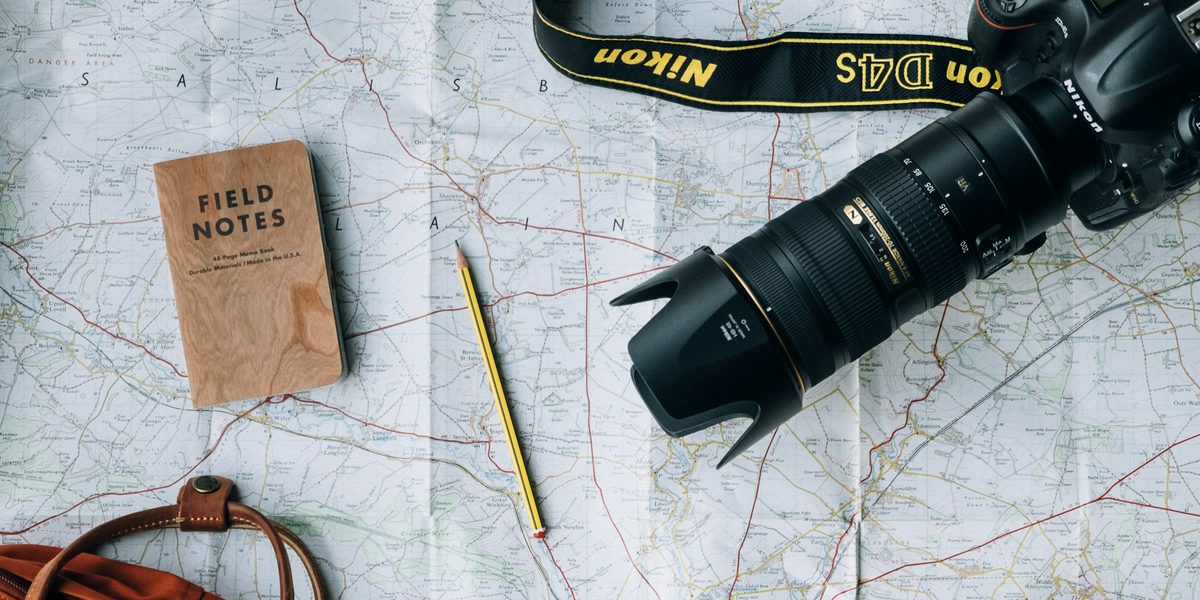
What to Pack for Malawi
Complete packing checklist tailored to Malawi's climate and culture
Climate Overview for Malawi
Malawi claims a temperate climate travelers nickname the land of perpetual spring. Cool breezes sweep the high plateaus. Humid warmth clings near Lake Malawi. Woodsmoke drifts from cooking fires. Afternoon showers leave the air damp and sweet. Mornings turn crisp. Bright sun filters through acacia branches. This climate demands layers. Bring lightweight, breathable clothing for midday heat. Add a warm layer for evenings that drop surprisingly chilly, around Zomba or Nyika. Tuck in a compact rain shell for the wet season. The weather stays comfortable for exploring. Yet thoughtful packing is essential.
Clothing & Footwear
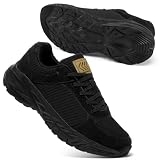
Malawi's terrain mixes dusty paths, uneven Lilongwe sidewalks, and rocky trails. Solid shoes matter. You will feel their support while weaving through local markets where the ground is packed earth.

Humid air near Lake Malawi slows sweat evaporation. Quick-dry fabrics keep you comfortable during long drives or while strolling the lakeshore. They rinse and dry fast in a sink.
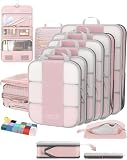
Packing cubes tame the mix of lightweight clothing and warmer layers needed for Malawi's shifting temperatures. They also block red dust from the M1 highway.

Daypacks rule for outings to Cape Maclear or Blantyre markets. Inside goes a water bottle, a wind layer for lake breezes, and any crafts you buy.
Electronics & Gadgets

Malawi runs on Type G British-style three-pin plugs. Bring the adapter. It lets you charge devices in lodges from Liwonde to Livingstonia where outlets are scarce.

Power cuts hit Malawi. A power bank keeps your phone alive for navigation, sunset shots of fishing boats on Lake Malawi, or emergency flashlight duty.

Durable cables survive dusty packing. Carry spares. If one fails, finding quality replacements in rural Malawi is tough.
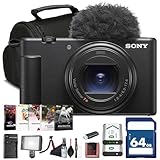
A compact camera captures the riot of colors in Mzuzu market and the deep blue of Lake Malawi without the bulk. Humid air demands easy protection.

Lodge rooms often offer one working outlet. A small power strip charges multiple devices at once and guards against voltage swings.
Toiletries & Health

Pack a mini first-aid kit for minor cuts on Mulanje Mountain or scrapes in remote areas. Include antiseptic wipes. Pharmacies can be far away.

Solid soap and shampoo bars skip liquid spills on bumpy Malawi roads. They last longer and cut plastic waste, a gesture locals around Lake Malawi appreciate.
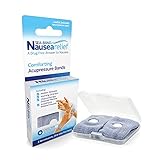
The twisting road from Blantyre to Zomba Plateau and choppy boat rides on Lake Malawi can trigger nausea. Acupressure bands give drug-free relief.

A pill organizer keeps medications dry and sorted in Malawi's humid climate. You will have a clear supply for your entire stay.
Documents & Security
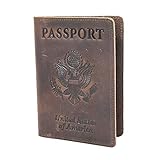
An RFID-blocking wallet shields passport, Malawian visa, and Kwacha notes from dust and electronic pickpockets in busy Lilongwe Old Town.

A money belt hides larger sums of local currency for market visits in Malawi. It stays flat beneath lightweight clothing.

TSA-approved locks secure checked bags on flights and bus rides within Malawi. They offer peace of mind when you leave luggage at a lodge before check-in.
Comfort & Convenience
Hydration matters under Malawi's warm sun. A collapsible bottle folds flat when empty. Fill it with filtered water to avoid single-use plastic.
Sudden downpours strike, November to April. A pocket poncho gives instant shelter while you savor petrichor on warm earth.

A foldable tote handles spontaneous buys at Lilongwe Craft Market or fruit from roadside stalls. It cuts plastic use, appreciated across Malawi.

Lodge curtains can be thin. Dawn arrives early. An eye mask buys extra sleep after long travel days.
Outdoor & Hiking Gear

A portable water purifier lets you drink safely from streams on Mount Mulanje or village taps. You taste clean water without risking illness.
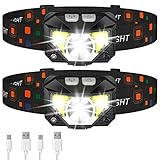
Power cuts are routine. A headlamp lights your way to a lakeside banda or lets you read after dark while crickets sing.

A whistle and small compass add safety on Nyika National Park hikes. The whistle signals for help. The compass gives basic bearings.
Seasonal Packing Adjustments
What to add or skip depending on when you visit
Cool Dry Season
May, June, July, August
Add: Fleece jacket or warm sweater, Beanie or warm hat, Long pants
Shop Cool Dry Season essentials →Mornings and nights run cold, in the highlands. You will feel the chill. Pack warm layers for dawn game drives in Liwonde National Park.
Hot Dry Season
September, October, November
Add: Wide-brimmed sun hat, High-SPF sunscreen, Lightweight, long-sleeved shirts for sun protection
Shop Hot Dry Season essentials →Skip: Heavy fleece jacket
The sun blazes. Air feels hot and dusty. Protect your skin. Hydrate often. This is prime season for lake fun in Malawi.
Rainy Season
December, January, February, March, April
Add: Waterproof jacket with hood, Quick-dry trousers, Waterproof bag cover, Sturdy shoes with good grip
Shop Rainy Season essentials →Expect short, heavy downpours. The landscape turns lush and fragrant. Roads can slick into mud. Waterproof gear becomes important.
Luggage Recommendation
A lightweight, durable duffel bag or soft-sided suitcase is good for Malawi. It slides into cramped minibus boots and taxi trunks without protest. Add a carry-on sized backpack for quick hops. Lock your main bag. Hard-shell spinners rattle apart on unpaved paths and choke on dust.
Shop Carry-On Luggage on AmazonPro Packing Tips
Practical advice from experienced travelers
Don't Pack
- Skip heavy towels. Most lodges and hotels in Malawi supply them. Buy one at Shoprite if needed. Save luggage space.
- Leave large shampoo or shower gel bottles behind. Blantyre and Lilongwe supermarkets stock them. Solid bars travel better.
- Avoid expensive jewelry or flashy watches. Low-key is wiser in crowded markets.
- Formal clothing is overkill. Smart-casual works for nearly every restaurant in Malawi.
- Skip the sleeping bag unless you are camping. Malawi accommodation provides bedding.
- Ditch multiple heavy guidebooks. One compact guide or a digital version covers Malawi well.
Buy Locally
- Grab a local SIM from TNM or Airtel. Kiosks at Kamuzu International Airport in Lilongwe and city centers sell them for cheap data across Malawi.
- Traditional chitenje fabric. Grab yours at Lilongwe Craft Market or Limbe Market. One bright sarong doubles as gift. Practical, beautiful, cheap. Bargain hard.
- Insect repellent with high DEET concentration. Stock up at People's Trading Centre pharmacies in major towns. Local mosquitoes respect this stuff. Reapply often.
- Fresh fruit like mangoes and pineapples. Pull over at roadside stalls. Juice runs down your chin. Packaged fruit tastes like cardboard here.
Packing Hacks
- Roll clothes instead of folding to save space
- Pack shoes in shower caps to protect clothes
- Use packing cubes to stay organized
- Keep essentials in your carry-on
Continue Planning Your Trip
More guides to help you prepare
Ready to plan your trip to Malawi?
Now that you've got the research covered, here's where to go next.