Where to Stay in Malawi
A regional guide to accommodation across the country
Malawi runs along the western rim of its own vast lake, a freshwater inland sea so wide the far shore dissolves in heat shimmer. That water shapes every bed in the country: most visitors fall asleep to waves licking gold sand, whether in a reed-walled beach hut or a stone-and-thatch lodge cantilevered above the surface. Step back from Lake Malawi and the choices shrink to tidy city hotels in Lilongwe and Blantyre, canvas safari camps in the Shire Valley, and highland escapes where cool mountain air scours away the lowland stickiness. Malawi remains the cheapest sleep in Southern Africa. Budget travelers can make a dollar groan here louder than almost anywhere else on the continent, a private room in a lakeshore guesthouse costs a sliver of what the same setup fetches in Tanzania or Mozambique. Mid-range Malawi hotels, the government-tied Sunbird chain, give predictable comfort in every big town. At the sharp end, a short list of internationally known lodges, Kaya Mawa on Likoma Island, Pumulani near Cape Maclear, Kuthengo in Liwonde, go toe-to-toe with East Africa's top safari camps. Yet still undercut Kenya or Botswana prices by a clear margin. The dry months from June through October pull the crowds: skies stay cloudless, wildlife clusters around waterholes in the parks, and the lake holds its warmth for swimmers. December to March dumps torrential rain that churns dirt roads to glue and shutters some remote lodges completely. May and November sit in the sweet spot, empty Malawi beaches, emerald country, and tariffs well south of peak.
Where to Stay in Malawi
Hand-picked hotels across price tiers for every visitor.
Our Top Picks
The highest-rated hotel in each price range, selected from across Malawi.
Top Pick: Lilongwe & Central Plateau
Budget
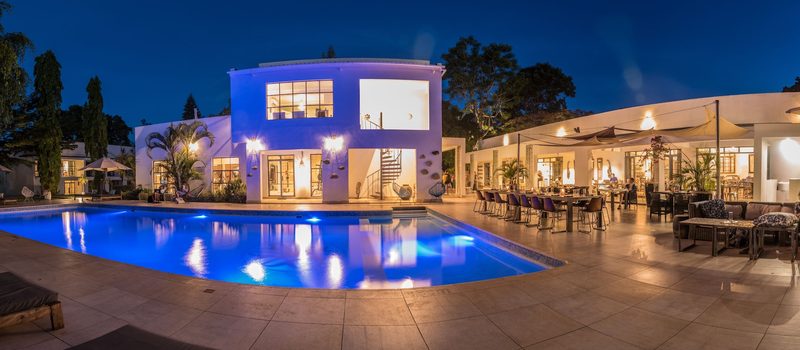
The Residence Inn
Parking
Luggage storage
Airport pick-up
Wi-Fi in public areas
Lilongwe & Central Plateau
Check prices on Trip.com →
Top Pick: Lilongwe & Central Plateau
Mid Range
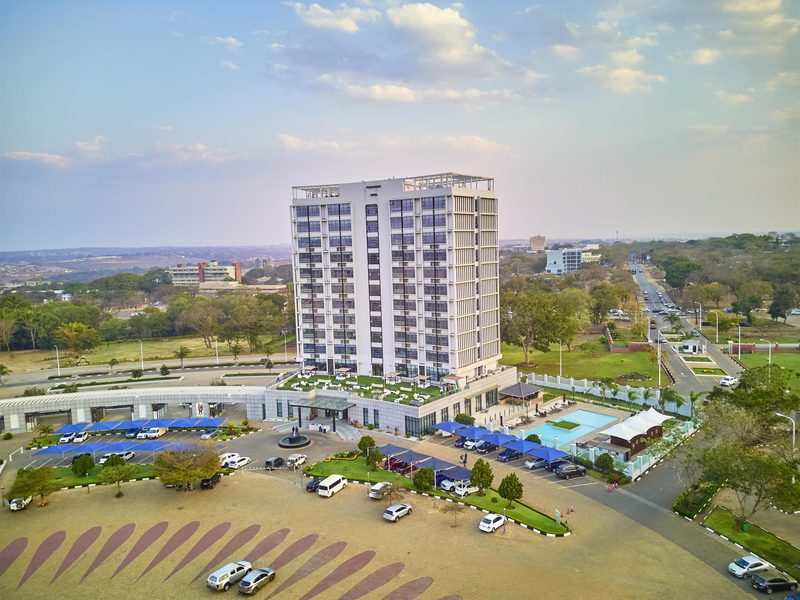
Topazvillas
Parking
Wi-Fi in public areas
Lilongwe & Central Plateau
Check prices on Trip.com →
Find Hotels Across Malawi
Compare prices from hotels across all regions
Search HotelsPrices via Trip.com. We may earn a commission from bookings.
Regions of Malawi
Each region offers a distinct character and accommodation scene. Find the one that matches your travel plans.
Lilongwe & Central Plateau
Low to moderate
Malawi's capital spreads across a level plateau split into two clear zones: the Old Town, where red-earth lanes twist past stalls stacked with dried fish and soft mangoes, and the modern City Centre, where embassies and ministries line jacaranda-shaded boulevards. Most Malawi hotels huddle along Paul Kagame Road in the City Centre, though a handful of character properties hide in the leafy Old Town quarters. Travelers hunting things to do in Malawi Lilongwe will find the city works best as a soft springboard to the lake and the parks.
Accommodation: Business hotels, boutique guesthouses, and backpacker lodges packed into the City Centre and Old Town
Gateway Cities
Where to stay in this region
Budget
Arvo6 Luxury Villas
Parking
Airport pick-up
Wi-Fi in public areas
Airport drop-off
✓ Verified
Check prices on Trip.com →
Budget
The Residence Inn
Parking
Luggage storage
Airport pick-up
Wi-Fi in public areas
✓ Verified
Check prices on Trip.com →
Mid Range
Green Elephant
Golf course
Outdoor swimming pool
Massage room
Parking
✓ Verified
Check prices on Trip.com →
Mid Range
Kumbali Country Lodge
Outdoor swimming pool
Hiking
Private parking
Airport pick-up
✓ Verified
Check prices on Trip.com →
Southern Lakeshore
Budget to luxury
Cape Maclear and Monkey Bay pin the southern tip of Lake Malawi, where the water shifts to turquoise over pale sand and granite boulders carve the coast into pocket coves. This strip lies inside Lake Malawi National Park, a UNESCO World Heritage site, and the snorkeling here punches above many ocean sites: hundreds of cichlid species flare electric blue and gold in water so clear you can tally pebbles three meters down. Anyone asking why you should visit Lake Malawi gets the answer right off these rocks. Mangochi town, further south where the Shire River spills out, supplies a calmer commercial hub with a clutch of standard hotels.
Accommodation: Beach lodges and backpacker camps pepper the Cape Maclear shore; Mangochi keeps more traditional hotels
Gateway Cities
Where to stay in this region
Budget
Sheila's Lodge
Parking
Airport pick-up
Luggage storage
Airport drop-off
✓ Verified
Check prices on Trip.com →
Mid Range
Burley House - Guest House
Golf course
Gym
Parking
Airport pick-up
✓ Verified
Check prices on Trip.com →
Mid Range
Mitengo House
Outdoor swimming pool
Private parking
Luggage storage
Bar
✓ Verified
Check prices on Trip.com →
Mid Range
President Hotel at Umodzi Park
"The staff are incredibly friendly, the rooms are spacious and very clean, and th…"
Public parking
Restaurant
✓ Verified
Check prices on Trip.com →
Mid Range
Bamboo Boutique Hotel
"Good acommadation and restaurant Come Lilongwe must try in area 12 Reception ver…"
Parking
Luggage storage
Bar
Restaurant
✓ Verified
Check prices on Trip.com →
Northern Lakeshore & Islands
Budget to ultra-luxury
Nkhata Bay pulls Malawi's backpacker trail tight around its horseshoe shore, steep jungle hills plunge straight into a bay where fishing dhows huddle at first light and reggae rolls out of beach bars after dark. North of here, Chintheche's gentler beaches fan wide and shallow, easy paddling for small kids. Offshore, Likoma Island drifts closer to Mozambique than to Malawi. Its hulking stone cathedral rises improbably above baobab-lined sand. The lake crossing aboard the MV Ilala ferry is half the adventure, the vintage steamer calls at roadless lakeshore villages where the scent of smoked usipa and woodsmoke greets every landing.
Accommodation: Nkhata Bay packs in budget and mid-range lodges; Likoma Island mixes rustic digs with ultra-luxury; Chintheche lines up family-friendly resorts.
Gateway Cities
Where to stay in this region
Budget
Eco-House
"Eco house was situated just off the main road coming North fro. Dedza. Payment w…"
Parking
Luggage storage
Conference room
Playground
✓ Verified
Check prices on Trip.com →
Mid Range
Woodlands Lilongwe
"the lodge was very pleasant overall, however due to major gaps in the entrance d…"
Golf course
Outdoor swimming pool
Hiking
Casino
✓ Verified
Check prices on Trip.com →
Mid Range
Africa House Malawi
Private parking
Gym
Luggage storage
Wi-Fi in public areas
✓ Verified
Check prices on Trip.com →
Parking
Airport pick-up
Restaurant
Airport drop-off
✓ Verified
Check prices on Trip.com →
Mid Range
Sunbird Capital
Golf course
Outdoor swimming pool
Spa
Gym
✓ Verified
Check prices on Trip.com →
Blantyre & Shire Highlands
Low to moderate
Malawi's commercial capital lounges on the Shire Highlands at an altitude that keeps the air mild year-round, mornings are cool enough for a light jacket, and the encircling hills blaze green after rain. Blantyre is the country's oldest European-founded settlement; Mandala House museum, colonial churches, and a central market thick with the smell of roasting maize and smoked fish give visitors plenty of things to do in Blantyre Malawi. Hotels here feel the most urban in the country, international-standard business towers stand beside family guesthouses.
Accommodation: International-standard business hotels, guesthouses, and backpacker lodges cluster in central Blantyre.
Gateway Cities
Where to stay in this region
"I enjoyed my stay, the place is so beautiful and there rooms are everythi"
Private parking
Currency exchange
Wi-Fi in public areas
Golf course
✓ Verified
Check prices on Trip.com →
Mid Range
Sunbird Lilongwe
"A relatively good hotel in the city, the standard of domestic guest houses. Ther…"
Parking
Currency exchange
Luggage storage
Airport pick-up
✓ Verified
Check prices on Trip.com →
"Love my stay at modern and cozy apartments in Lusaka Zambia beautiful house, cle…"
Parking
Restaurant
Wi-Fi in public areas
✓ Verified
Check prices on Trip.com →
Mid Range
Eden Estates and Lodge
Private parking
Airport pick-up
Restaurant
Airport drop-off
✓ Verified
Check prices on Trip.com →
Budget
Tranquilo Resorts Lilongwe
Parking
Currency exchange
Airport pick-up
Wi-Fi in public areas
✓ Verified
Check prices on Trip.com →
Liwonde & Lower Shire Valley
Moderate to luxury
Liwonde National Park is Malawi's flagship safari ground, and the Shire River that cuts through it is where the action rolls: hippos exhale in noisy pods, elephants ford the channel at dusk, Pel's fishing owls swoop from overhanging branches after dark. African Parks' takeover has rewritten the story, poaching has plummeted, big predators are back, and lodging now runs from simple river camps to one of Central Africa's top tented lodges. Valley heat builds through the day. But sunset on the water brings a breeze laced with wild sage and river mud, exactly what Malawi is known for beyond the lake.
Accommodation: Safari camps and lodges sit inside or on the edge of Liwonde National Park; Liwonde town itself has only a handful of basic options.
Gateway Cities
Where to stay in this region
Golf course
Parking
Airport pick-up
Luggage storage
✓ Verified
Check prices on Trip.com →
Budget
Nelly's Guesthouse
Parking
Airport pick-up
Luggage storage
Airport drop-off
✓ Verified
Check prices on Trip.com →
"The landlord is very welcoming and the living environment is also very good"
Parking
Airport pick-up
Luggage storage
Airport drop-off
✓ Verified
Check prices on Trip.com →
Budget
The Ad Lib Executive Lodge
Golf course
Outdoor swimming pool
Sauna
Parking
✓ Verified
Check prices on Trip.com →
Gym
Private parking
Luggage storage
Conference room
✓ Verified
Check prices on Trip.com →
Zomba Plateau
Budget to moderate
Malawi's old colonial capital spreads beneath a flat-topped mountain that lifts to 1,800 meters, plateau trails thread through indigenous forest where colobus monkeys crash overhead and waterfalls dive into fern-lined gorges. The air smells of damp leaf-mould and wild orchids, and the thermometer drops fast above the lowlands. Zomba town keeps a quiet, slightly worn grace, avenues of shade trees and a scatter of lodges aimed at hikers and anyone chasing Malawi's colonial past.
Accommodation: Limited but characterful, one signature hotel crowns the plateau itself, a forest lodge sits below the escarpment, and a handful of modest guesthouses line Zomba town's avenues. Supply is thin here. Book the plateau properties ahead in dry season or expect to sleep in town.
Gateway Cities
Where to stay in this region
Mount Mulanje & Thyolo Tea Country
Budget to moderate
Mount Mulanje rears up as Central Africa's highest summit south of Kilimanjaro, a granite monolith that bursts from flat farmland, its cliff faces vanishing into cloud. A chain of huts laces the massif, letting walkers string together days on high grasslands where Mulanje cedars grip windy ridges and the air smells of stone and storm. South and below, Thyolo district ripples with tea estates that stripe the hills in luminous green. The scent of freshly cut leaf drifts above the narrow road linking Blantyre to Mulanje town. Leave the lakeshore behind and you'll find some of Malawi's most singular experiences right here.
Accommodation: Mountain huts for trekkers, a few mid-range lodges near the base, and a standout tea estate guesthouse in Thyolo
Gateway Cities
Mulanje
Thyolo
Luchenza
Northern Highlands & Nyika Plateau
Budget to moderate
Nyika Plateau is Malawi's biggest national park and its most surreal scenery, montane grasslands roll to every horizon like a Scottish moor dropped into the tropics, coloured by wildflowers and patrolled by roan antelope and leopard. The plateau tops 2,000 meters. Night thermometers can brush freezing, a jolt after the steamy lakeshore far below. Mzuzu, the northern capital, is the last place to stock up, a compact town with frontier buzz and the final reliable fuel before the climb. Between Lilongwe and Mzuzu, the Viphya Plateau supplies a cool pine-scented break with bike trails threading plantations and remnant forest.
Accommodation: Extremely remote on the plateau itself with just two properties; Mzuzu offers conventional city hotels. The Viphya Plateau has a forest lodge en route
Gateway Cities
Accommodation Landscape
What to expect from accommodation options across Malawi
International Chains
Sunbird Tourism runs Malawi's sole nationwide hotel chain, with properties in Lilongwe, Blantyre, Mangochi, Zomba, Salima, and Mzuzu, dependable, mid-range every time. Protea Hotels by Marriott has one address in Blantyre (the historic Ryalls). Outside these two, accommodation is in the hands of independents and safari operators such as Robin Pope Safaris, Norman Carr Safaris, and Wilderness Safaris, each steering a handful of top-end camps.
Local Options
Family guesthouses and small lodges prop up the accommodation scene outside the cities. Expect anything from concrete cells with shared bathrooms to lovingly kept colonial houses wrapped in verandas. Breakfast, eggs, toast, tropical fruit, and strong Malawian tea or coffee from the Thyolo slopes, is usually part of the deal. The personal touch at these places often outruns anything a chain can muster.
Unique Stays
Mumbo Island Camp parks you in open-fronted treehouses on a pocket-sized granite island inside Lake Malawi National Park, no wires, no walls, only wave slap and the flicker of paraffin lamps after sunset. Tongole Wilderness Lodge gives a luxury-forest stay inside Nkhotakota Wildlife Reserve, one of Africa's oldest and least-known sanctuaries. Trekkers can bunk in Malawi's mountain huts on Mount Mulanje: spartan shelters on multi-day routes through cloud forest and along bare granite ridges where sunrise ignites half the country.
Ready to book?
Compare hotel prices across Malawi
Search Hotels in MalawiBooking Tips for Malawi
Country-specific advice for finding the best accommodation
Safari lodges need advance booking. The lake does not
Liwonde's top camps, Kuthengo and Mvuu, keep beds scarce and sell out months ahead for the June-October dry season. Kaya Mawa on Likoma Island does the same. Backpacker lodges along the lake and city hotels in Lilongwe and Blantyre seldom need forward booking. Turning up and asking usually works, except for peak August and the December holidays.
Search hotels →Carry Kwacha outside the two cities
Cards pass at upmarket lodges and city hotels, but guesthouses, backpacker camps, and most lakeside rooms trade only in Malawian Kwacha cash. ATMs work in Lilongwe, Blantyre, Mzuzu, and Mangochi. Yet are patchy or missing elsewhere. National Bank and Standard Bank machines swallow international cards most reliably. Pull enough Kwacha for your entire lakeshore or park stint before quitting the cities.
Search hotels →Confirm transport before booking remote lodges
Getting to Likoma Island means flying Ulendo Airlink or riding the MV Ilala ferry, whose timetable slides with the seasons. Nyika Plateau demands a high-clearance 4x4 for the steep final pull. Some top lodges run transfers from the nearest airstrip or highway. Budget travellers should plot every transport leg before committing to remote rooms.
Search hotels →Negotiate in person during shoulder season
May and November sit between peak dry season and the heavy rains. Malawi beaches are empty, and rates drop noticeably. Walk the shoreline at Cape Maclear or Nkhata Bay, inspect rooms, and agree a rate directly, this personal approach often beats online booking platforms for budget accommodation, and you get to check mattress firmness and mosquito net quality before committing.
Search hotels →When to Book
Timing matters for both price and availability across Malawi
High Season
June through October. Book safari lodges and Likoma Island properties at least two to three months ahead. Lakeshore backpacker spots fill up in August but rarely need more than a week's notice. The best time to visit Malawi for wildlife is September and October, when animals concentrate around dwindling water sources.
Shoulder Season
May and November offer warm Malawi weather, lower rates, and minimal crowds. The landscape turns lush after early November rains, and the lake is at its warmest. Properties that close for the wet season reopen in May with fresh energy and empty rooms.
Low Season
December through March brings heavy rainfall, January and February. Some remote lodges close entirely, and dirt roads to Nyika and parts of the northern lakeshore become impassable without four-wheel drive. City hotels and accessible lakeshore properties stay open at reduced rates. The rain transforms Malawi into a birdwatcher's paradise, with migrant species arriving from the north.
Two weeks ahead is sufficient for most Malawi hotels and guesthouses. Premium safari lodges and Kaya Mawa need six to twelve weeks during dry season. The MV Ilala ferry schedule to Likoma Island dictates timing more than accommodation availability, check the sailing dates first, then book your island stay around them.
Good to Know
Local customs and practical information for Malawi
Check-in / Check-out
Standard check-in runs at 14:00, check-out between 10:00 and 11:00 at formal hotels. Safari lodges and lakeshore camps are flexible and accommodate early arrivals or late departures when occupancy allows. Backpacker lodges operate informally, arrive when you arrive.
Tipping
Malawi runs on modest gratuities that carry real weight in the local economy. Leaving a small amount per night for housekeeping and rounding up restaurant bills is appreciated and noticed. Safari guides and boat operators on the lake depend partly on tips, lodges typically provide guidance at checkout on appropriate amounts for each staff role.
Payment
Major lodges and city hotels accept Visa and Mastercard. Everything else runs on Malawian Kwacha in cash. US dollars are accepted at some premium lodges and can be exchanged at banks in Lilongwe and Blantyre, but mid-range and budget properties expect Kwacha. Mobile money via Airtel Money and TNM Mpamba is increasingly common among local businesses.
Safety
Malawi is widely regarded as one of the safest countries in Africa for travelers, the nickname 'Warm Heart of Africa' reflects a genuine friendliness that is immediately apparent. Violent crime against tourists is exceptionally rare. Petty theft occurs in busy markets and bus stations in Lilongwe and Blantyre, where standard awareness applies: keep valuables close and avoid displaying expensive electronics. Rural areas, the lakeshore, and the islands feel notably relaxed at all hours.
Found your region?
Compare hotel prices now.
Search HotelsFrequently Asked Questions
Malawi Hotels Lilongwe?
Lilongwe has accommodation options ranging from budget guesthouses to business hotels. Popular choices include Latitude 13 and Crossroads Hotel in the city center, while Kumbali Country Lodge has a quieter setting about 20 minutes outside town. Most hotels are concentrated in the Old Town (Area 2) and City Centre (Area 3), with rates typically ranging from $50-150 per night depending on the property.
5 Star Hotels in Malawi?
Malawi doesn't have traditional international chain 5-star hotels. But it does have several luxury lodges that offer exceptional service and amenities. The highest-end properties are mainly found at Lake Malawi, including Pumulani Lodge on the Nankumba Peninsula and Kaya Mawa on Likoma Island, where rates typically start around $400-600 per person per night including meals and activities. We recommend checking current reviews and availability directly with these lodges, as standards and ownership can change.